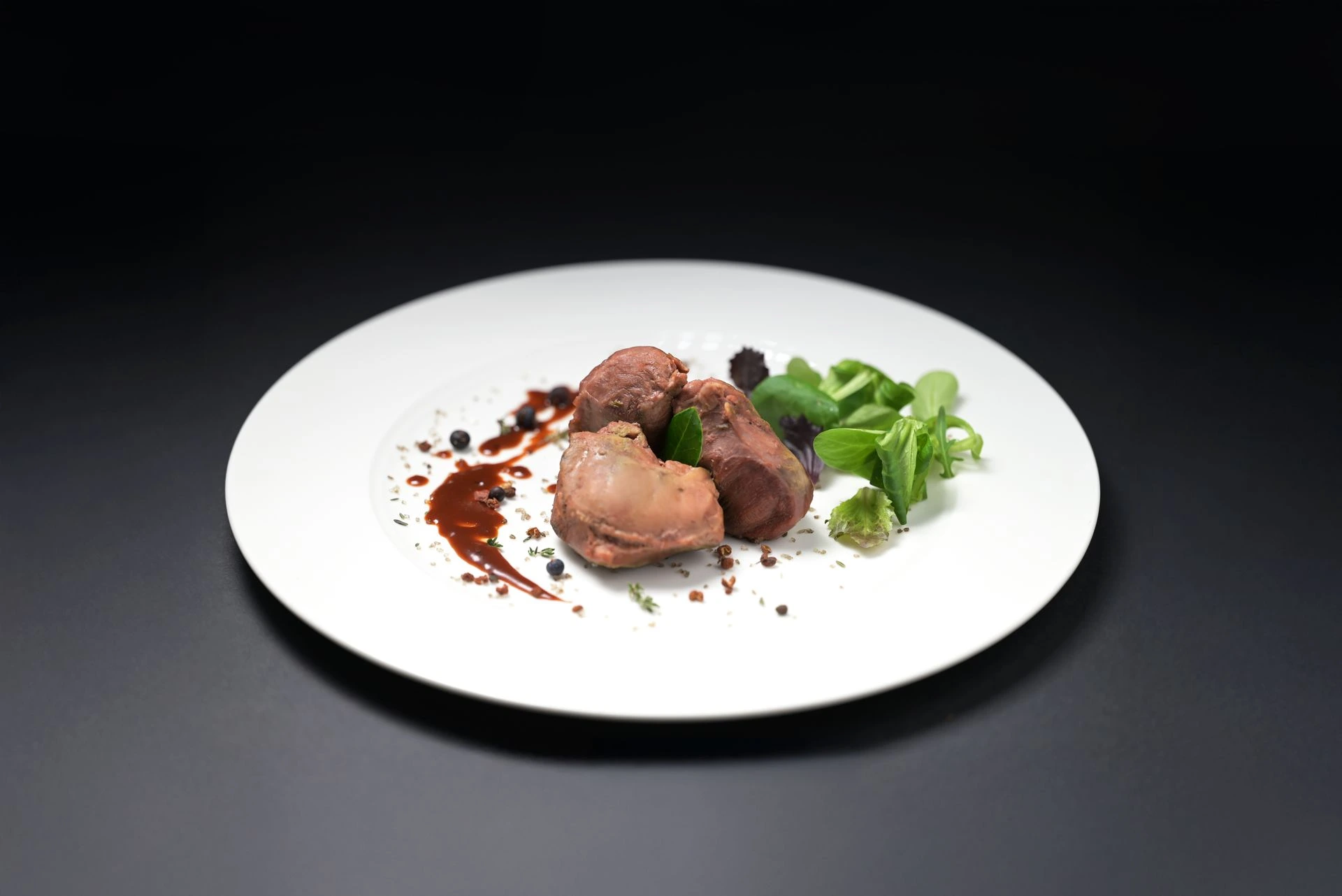
Braised, cheeks, and shank can add character to the main course menu. To prepare them internally, however, it is necessary to organize advance preparations, long cooking times, and quantities consistent with the expected orders.
Low-temperature cooked meat for restaurants allows you to evaluate these recipes starting from a product that is already processed and cooked. The line Yes, Chef! by RC Food includes proposals to regenerate and complete in your kitchen, with different formats and portions.
What preparations can you assign to the already cooked product
The advantage is to focus the establishment on the final stage of the dish. For the selected recipes, the long cooking is already done by the producer. At the restaurant, the management of the product, the expected reactivation, the side dish, and plating remain.
This can be useful when a preparation takes a long time with the equipment or requires a schedule that is difficult to reconcile with demand. The choice should be made based on the individual recipe and the ability to complete it during service.
Already cooked meat does not eliminate the need for an organized workstation. It allows you to shift the work from some preliminary phases to the correct execution of the final dish.
Braised in red wine for a second with sauce
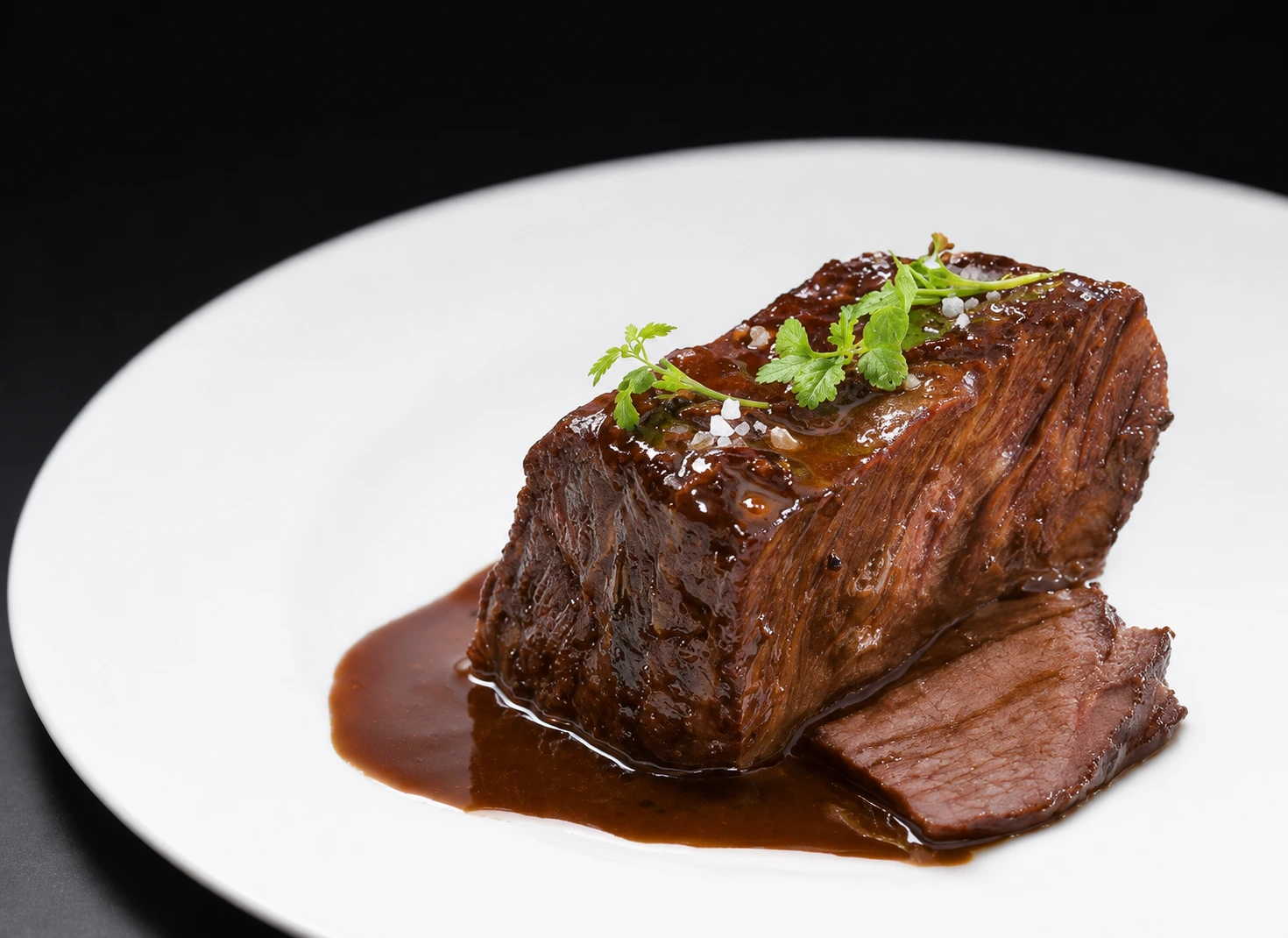
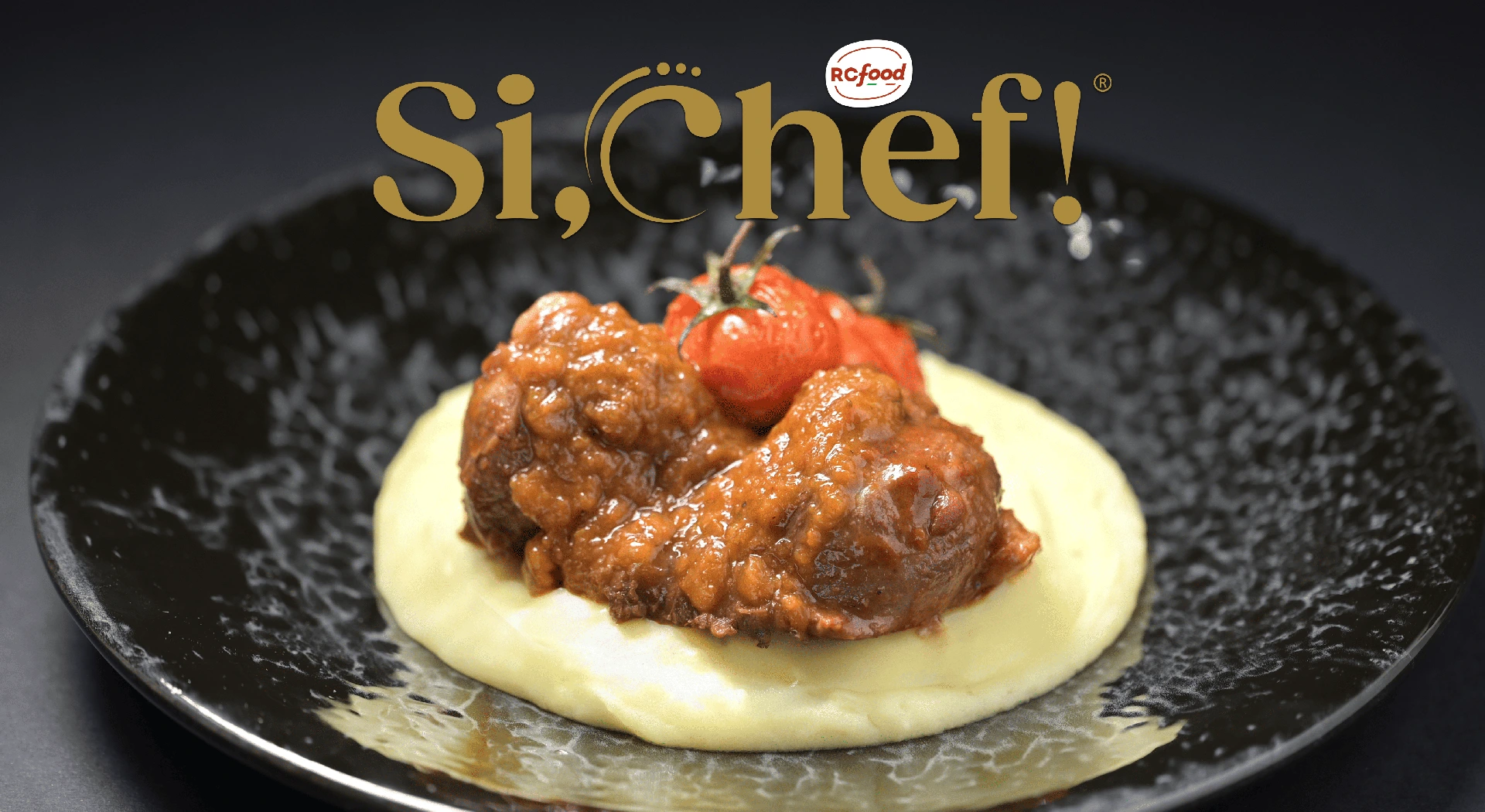
The Braised in red wine Yes, Chef! is presented in the catalog with a cooking time of 14 hours. The indicated format is 750 g and the recommended portion is 250 g; the reactivation reported is in microwave or pan, following the product instructions.
A pairing suggestion is a side that collects the sauce, like a puree, to develop in your kitchen. Define separately the amount of meat, the sauce served, and the side: these are components that determine both the customer’s experience and the cost of the dish.
The ratio 750 g divided by 250 g gives 3 theoretical portions. To know the yield of the service, check the usable weight and the actual portioning after the planned preparation.
Beef cheeks and pork cheeks
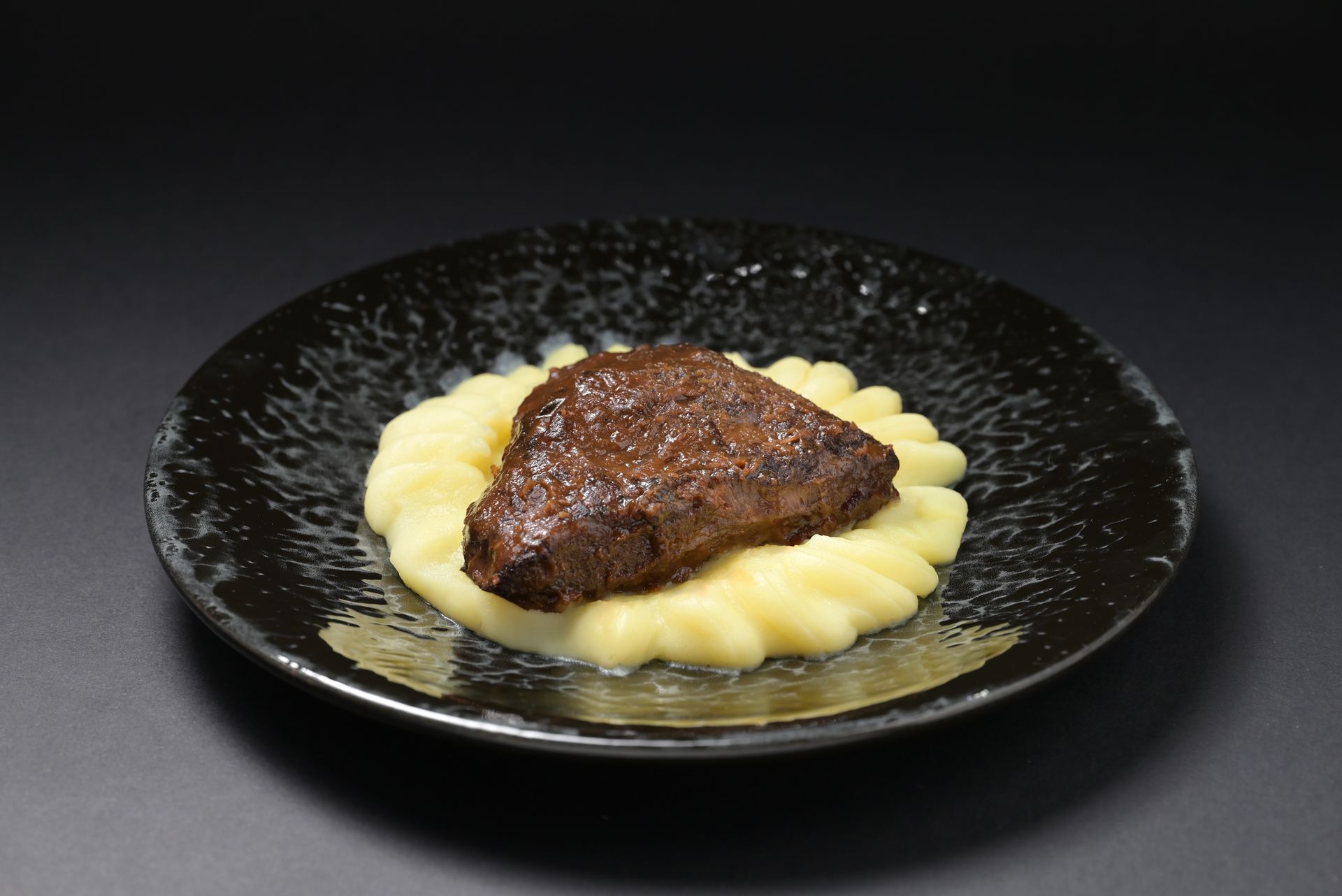
The Beef cheek in red wine is another proposal from the line, with a format of 750 g and recommended portion of 250 g. It can serve as a second beef dish with an intense flavor, with a side that is consistent with the sauce.
The Braised pork cheeks are instead listed in the catalog at 230 g, with a cooking time of 16 hours. They are a different preparation for meat, format, and presentation: comparing them means deciding which dish is needed for your menu, in addition to evaluating the price.
If you include both recipes, clarify why the customer should choose one or the other. If they occupy the same space on the menu, a rotation may be more manageable than two permanent proposals.
Shank for a dish with recognizable character
The Pork Shank Yes, Chef! is presented in a format of 750 g, with a cooking time of 16 hours and reactivation in oven. The catalog suggests a final browning and the use of cooking juices.
In this case, the availability of the oven during service is as important as the preparation already completed. If the same equipment is occupied by other dishes, simulate the concurrent orders before permanently adding the shank to the menu.
How to transform the product into a dish of the establishment
Choose a side dish, establish the portion, and photograph the reference presentation. Specify in the internal sheet the equipment, the procedure of the reference, and the necessary steps to arrive at the finished dish.
Then check a complete order. The second is ready when both the side and sauce can come out, not just when the reactivation of the meat is finished. A very labor-intensive accompaniment can absorb the time freed up on the main preparation.
For the economic comparison register the cost of the entire dish and the required work. The cooking hours in the catalog describe the producer's processing: they are not hours of active labor saved nor times to apply in your establishment.
Frequently Asked Questions
Do you need a roner to use these already cooked main courses?
The reference is the procedure for the individual item. The described products provide methods for reactivation in the microwave, skillet, or oven; there is no need to repeat the long initial cooking.
Can the same times be used for all meats?
No. Format, recipe, and reactivation methods change. Follow the updated technical sheet and organize the completion based on the chosen product.
Evaluate the long-cooked main courses for your restaurant
Do you want to offer braised, cheeks, or shank while reducing preliminary work? Request a consultation on Yes, Chef! and indicate which main courses you would like to include, the indicative covers, and the available equipment.